Oregon USA 3D SVG Flag Paper Cut: A Designer’s Review
As a designer who has spent years navigating the intersection of digital assets and physical textile production, I approach every new machine embroidery design with a healthy dose of skepticism. We have all been there: downloading a file that looks crisp on the screen but turns into a tangled mess of thread breaks and puckering once it hits the hoop. Today, I am taking a close look at the Oregon USA 3d SVG Flag Paper Cut. While the title suggests a focus on laser cutting and CNC routing, my interest lies in how this graphic translates to the needle. Can a design built for rigid materials like paper or wood hold its own as a sophisticated embroidery file for soft goods?
First Impressions: Structure Meets Texture
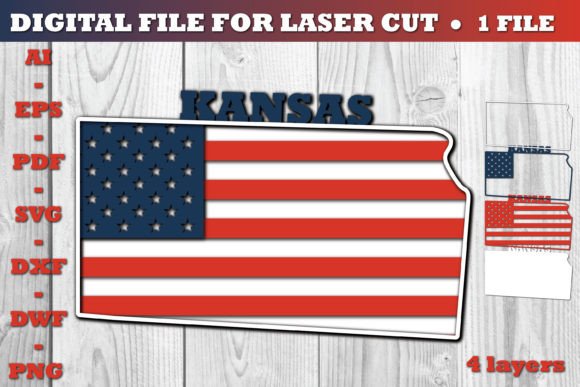
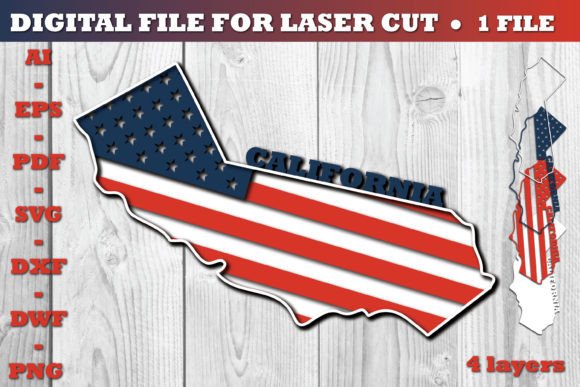
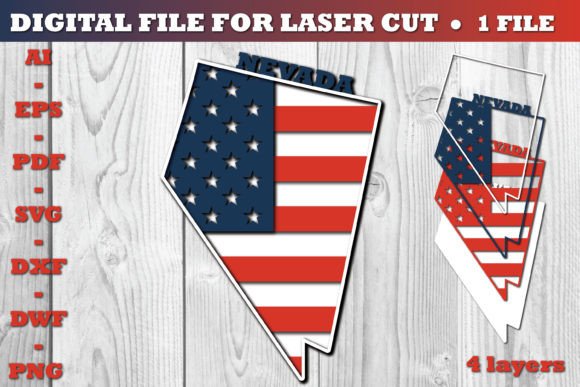
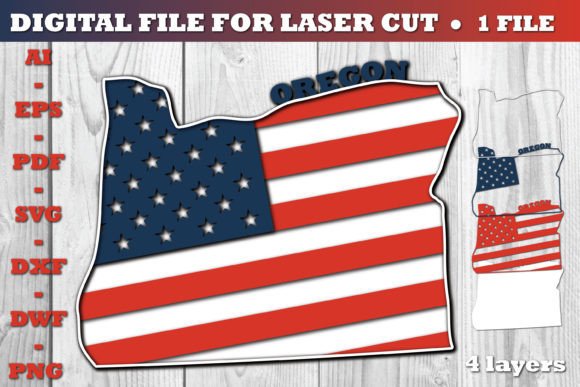
The immediate visual appeal of the Oregon USA 3d SVG Flag Paper Cut is its layered depth. In the world of Crafts and Graphics, the "paper cut" aesthetic relies heavily on shadow and separation to create a three-dimensional illusion. For an embroidery designer, this presents both a challenge and an opportunity. The layout is clean, with distinct boundaries between the state outline, the flag elements, and the background layers. This clarity is crucial. When we talk about stitch density, we are not just talking about how much thread is on the fabric; we are talking about how well the eye can distinguish one element from another.
The mood this design evokes is patriotic yet modern. It moves away from the traditional, often cluttered flag embroideries we see in souvenir shops and leans into a contemporary, boutique aesthetic. This makes it an ideal candidate for custom apparel aimed at a younger demographic or for high-end handmade product lines that prioritize minimalist design over maximalist detail.
Real-World Application: The Tote Bag Test
To truly evaluate this asset, I imagined a specific real-life scenario: creating a limited-run series of canvas tote bags for a local Oregon-based coffee roaster. The goal was to produce a personalized gift item that felt substantial and professional. Here is where the rubber meets the road. The Oregon USA 3d SVG Flag Paper Cut offers a large, bold footprint. On a standard 15-inch tote, this design commands attention without overwhelming the fabric.
However, translating a "paper cut" look to embroidery requires strategic stitch selection. The sharp edges of the state map would benefit from a tight satin stitch border to maintain definition. The interior sections, representing the flag’s stars and stripes, would need a balanced fill stitch to prevent the fabric from showing through while avoiding excessive bulk. If you are an Etsy seller looking to differentiate your small shop product, this design allows for creative thread play. Using matte threads for the background and slightly glossy threads for the foreground layers could mimic the light-and-shadow effect of the original paper cut concept, adding a tactile luxury to the finished product.
Navigating Fabric and Hoop Constraints
While the design is visually striking, it is not universally compatible with every substrate. My primary concern with complex, multi-layered graphics is their performance on stretchy or thin fabrics. If you attempt to stitch this directly onto a lightweight jersey t-shirt without proper stabilization, you risk significant distortion. The weight of the thread in the dense areas of the flag could pull the fabric, ruining the crisp lines of the Oregon state outline.
For sweatshirt embroidery or heavy canvas, this is less of an issue. These fabrics provide a stable foundation that can support the necessary stabilizer and thread weight. However, if you are considering this for baby embroidery on soft onesies, I would advise caution. The design’s complexity might feel too heavy for delicate skin and fabric. In such cases, simplifying the layers or reducing the overall size to fit a smaller hoop size might be necessary, though this could compromise the legibility of the finer details.
Another critical consideration is curved surfaces. Embroidering this on a cap is possible but tricky. The flat, geometric nature of the paper cut style does not naturally conform to the curve of a baseball cap front panel. You would need to carefully digitize the underlay and adjust the pull compensation to ensure the design does not warp. For beginners, I recommend sticking to flat surfaces like tote bag design projects, pillow covers, or aprons until you master the tension requirements.
Commercial Viability and Brand Consistency
For commercial embroidery professionals, consistency is key. The Oregon USA 3d SVG Flag Paper Cut offers a strong visual identity that can enhance brand recognition. Whether used for holiday embroidery gifts during the Fourth of July or as part of a year-round regional pride collection, the design holds up well. It speaks to a sense of place and community, which resonates deeply with buyers looking for authentic craft business items.
From a marketing perspective, this design lends itself beautifully to printable mockup creation. Because the lines are clean and the colors are distinct, digital previews will look sharp on websites and social media. This helps build customer trust before they even touch the physical item. High-quality design assets like this allow creative entrepreneurs to present their work as premium rather than hobbyist, justifying higher price points for custom apparel and home decor.
Practical Notes for the Embroiderer
Before you commit to stitching this on your final garment, here are my essential recommendations for ensuring success:
- Test on Scrap Fabric: Always run a test stitch-out on the same material you plan to use for the final product. This allows you to check for thread breaks and adjust tension.
- Check Thread Color Contrast: The "paper cut" effect relies on contrast. Ensure your chosen thread colors have enough difference in value so the layers do not blend into each other.
- Review Stitch Density: If the file allows for editing, check the density of the fill areas. Too dense, and the fabric will pucker; too sparse, and the backing will show.
- Confirm Hoop Size: Ensure your machine’s hoop can accommodate the full dimensions of the design without needing to split it, which can ruin the seamless look.
- Inspect Small Details: Look closely at the stars and small corners of the map. These areas are prone to thread buildup. You may need to use a sharper needle or a lighter thread weight in these sections.
- Verify Licensing: Since the product description mentions it is prepared for laser cut and CNC machines, double-check the license terms for embroidery use. Confirm whether you can sell the finished product commercially or if it is for personal use only.
Final Verdict
The Oregon USA 3d SVG Flag Paper Cut is a versatile graphic that transcends its original intent for paper crafts. For the thoughtful embroidery designer, it offers a pathway to creating textured, meaningful embroidered patch styles and apparel that stand out in a crowded market. It requires respect for fabric limitations and careful attention to stabilizer choice, but the payoff is a professional, high-impact design. Whether you are creating a personalized gift for a friend moving to the Pacific Northwest or stocking your online store with regional pride gear, this design provides the structural integrity and visual charm needed to succeed. Just remember: the best embroidery is not just about the stitch, but about understanding how the design lives on the fabric.