Reviewing the 3D Layered Turtle SVG for Embroidery
As a designer who spends half my life digitizing and the other half stitching, I approach every new machine embroidery design with a healthy dose of skepticism. We have all been there: you download a cute graphic, load it onto your machine, and watch in horror as the thread bunches up or the details vanish into the fabric. That is why I took a close look at the 3D Layered Turtle SVG Design. While the product description highlights its utility for paper, wood, and acrylic crafts within the broader Crafts category, my interest lies in how these layered Graphics translate to textile applications.
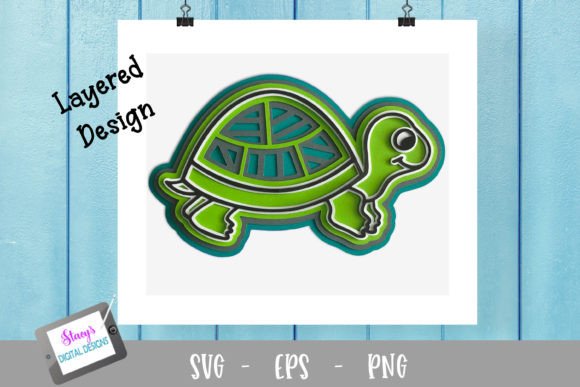
The first impression of this design is one of playful simplicity. The turtle motif is inherently charming, evoking feelings of patience, nature, and whimsy. Visually, the five-layer structure suggests depth without requiring complex shading techniques. For an embroiderer, this is a double-edged sword. On one hand, layered designs can create stunning visual interest through color blocking. On the other, they require precise registration and careful planning to ensure the final finished product looks intentional rather than cluttered.
Translating Layered Graphics to Stitch
When we talk about a "3D layered" design in the context of digital files, we are usually looking at distinct shapes meant to be stacked. In embroidery, this translates to multiple color stops. Each layer of the turtle’s shell or body will likely require a separate thread change. This is crucial for anyone running a craft business or selling on Etsy. Time is money. A design with five distinct layers means five thread changes, plus potential trims and jumps. However, if executed well, this layering creates a pseudo-3D effect that adds perceived value to the item.
I envision this design working beautifully as a tote bag design. Canvas bags provide a stable, sturdy surface that can handle the stitch density of a layered motif without puckering. Imagine a natural cotton tote with the turtle’s shell in varying shades of green or teal, creating a gradient effect through the layers. The contrast against the neutral fabric would make the embroidery project pop. It is also a strong candidate for sweatshirt embroidery, provided the design size is scaled appropriately. A medium-to-large placement on the chest or back of a crewneck could serve as a standout feature for a boutique clothing line.
Real-World Application: The Baby Nursery Scenario
Let us consider a specific real-life scenario. A client approaches you for a personalized baby shower gift. They want something unique, not just another monogrammed onesie. This is where the 3D Layered Turtle SVG Design shines. Turtles are gender-neutral and timeless. You could stitch this onto a soft muslin swaddle blanket or a felt banner for nursery decor.
In this context, the "5 layers" allow you to play with soft pastels. Perhaps the base layer is a pale sage, followed by mint, seafoam, and deeper ocean tones. The result is a sophisticated, custom look that feels high-end. As an Etsy seller, you know that presentation is everything. A well-stitched, multi-tonal turtle suggests effort and artistry, distinguishing your handmade product from mass-produced alternatives. It becomes more than just a design; it becomes a centerpiece of the gift.
Technical Considerations and Fabric Choices
However, we must address the technical realities. The product notes mention it is tested at approximately 6.5 inches. This is a relatively large size for standard hoops. If you are working with a 4x4 or 5x7 hoop, you may need to split the design or use a larger machine frame. Always check your hoop size compatibility before purchasing or committing to a project.
Fabric choice is equally critical. Layered designs can become dense. If you are stitching on a thin, stretchy fabric like a lightweight t-shirt, you risk distortion. The weight of the threads pulling on five different layers can cause the fabric to pucker or warp. In such cases, using a high-quality cut-away stabilizer is non-negotiable. For textured fabrics like towels or fleece, the definition of the layers might get lost. A fill stitch pattern that is too open will sink into the pile, while one that is too dense might feel stiff and uncomfortable against the skin.
For custom apparel like caps, curved surfaces present another challenge. The flat nature of a layered SVG might not conform well to the crown of a hat unless the design is small and centered. I would advise against using this specific large-scale layered design on curved surfaces unless you have extensive experience with 3D puff embroidery or specialized cap frames. Instead, stick to flat surfaces like aprons, pillow covers, or kitchen towels.
Enhancing Visual Appeal and Brand Consistency
From a branding perspective, consistency is key. If your shop specializes in nature-inspired goods, this turtle fits seamlessly into your design assets library. It complements other animal motifs and organic shapes. The clean lines of the SVG suggest a modern aesthetic, which appeals to contemporary buyers. When creating printable mockup images for your online store, ensure you showcase the layering effect clearly. Use high-contrast thread colors in your photos to highlight the depth of the design.
Customer trust is built on quality. A sloppy embroidered patch or a puckered sweatshirt can damage your reputation. Therefore, test the 3D Layered Turtle SVG Design on scrap fabric first. Check the thread colors for contrast. Does the transition between layers look smooth? Are there any gaps where the background fabric shows through unintentionally? These are the details that separate amateur work from professional commercial embroidery.
Practical Designer Notes for Best Results
Before you launch this design into your production line, keep these practical tips in mind:
- Test on Scrap Fabric: Always run a test stitch on the same material you plan to use for the final product. This helps you identify tension issues or registration errors.
- Check Stitch Density: Although exact stitch counts are not provided, layered designs can be heavy. Ensure your fabric can support the weight without sagging.
- Contrast is Key: Choose thread colors that distinguish each layer. Subtle gradients work well, but avoid colors that are too similar, as the 3D effect will be lost.
- Stabilizer Selection: Use a stabilizer appropriate for your fabric type. Cut-away for knits, tear-away for wovens. Do not skimp on stabilization.
- Licensing Verification: Confirm the license terms. Can you sell finished items? Can you use it for digital products? Always respect intellectual property rights.
- Mockup Testing: Create black and white mockups to check the silhouette. If the design loses its shape in grayscale, it may lack definition in certain lighting conditions.
In conclusion, the 3D Layered Turtle SVG Design offers a versatile and charming option for embroiderers looking to add depth to their projects. Whether you are creating a personalized gift, stocking your small shop product inventory, or designing a unique embroidered patch, this design has potential. However, success depends on thoughtful execution. By respecting the technical requirements of layered stitching and choosing the right materials, you can transform this digital file into a tangible, beautiful piece of art that resonates with customers and elevates your brand.