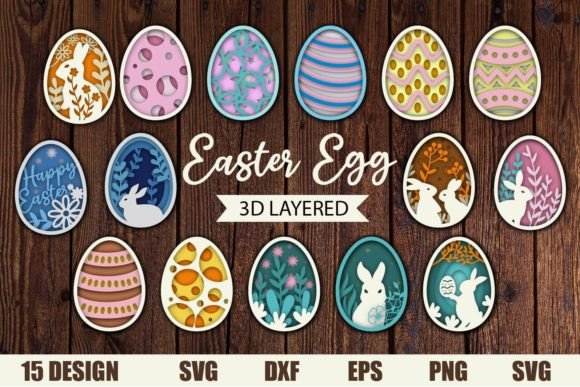
Reviewing the Happy Easter 3d Layered Svg Bundle
As a designer who spends half my life staring at stitch simulations and the other half untangling thread jams, I approach every new digital embroidery file with a healthy dose of skepticism. We have all been there: you download a bundle that looks pristine on the screen, only to find out the layers are misaligned, the details are too fine for standard thread, or the file formats are incompatible with your workflow. That is why I took a close, practical look at the Happy Easter 3d Layered Svg Bundle to see if it holds up in real-world embroidery projects.
This isn’t just about whether the graphic looks cute. It is about whether this asset can survive the transition from a flat vector to a textured, stitched handmade product. For Etsy sellers, craft business owners, and hobbyists alike, the difference between a bestseller and a return request often lies in the technical readiness of the design assets.
First Impressions: Mood and Visual Personality
The first thing that strikes you about the Happy Easter 3d Layered Svg Bundle is its versatility within the Crafts and Graphics categories. The "3D layered" concept suggests depth, which is a trendy aesthetic in modern apparel. However, in embroidery, "3D" usually implies either puff foam techniques or clever layering of fabric and thread to create shadow and dimension.
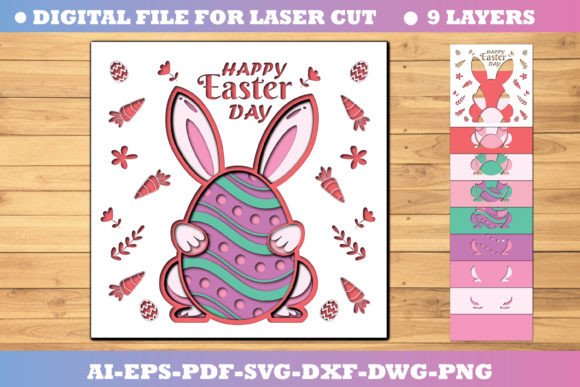
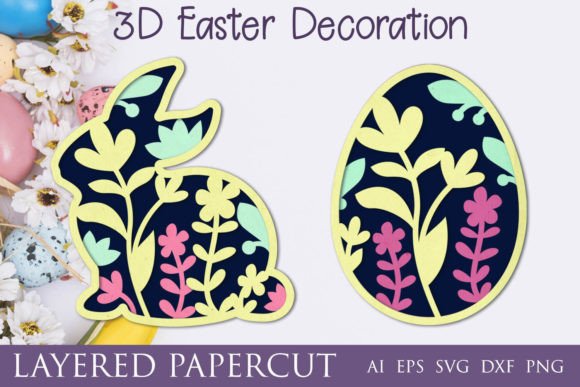
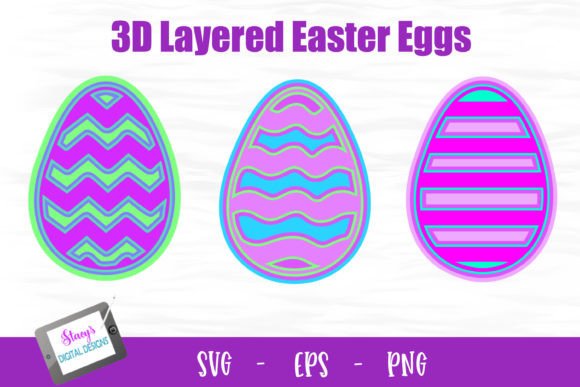
The illustrations provided are notably higher quality than many free resources circulating online. The lines are clean, and the separation between layers appears distinct. This is crucial because muddy lines in a vector file translate directly to messy satin stitches or poorly defined fill areas on the machine. The mood is cheerful and spring-forward, making it an obvious candidate for holiday embroidery, but the clean execution allows it to work for broader spring-themed collections as well.
Real-World Application: From Screen to Stitch
To truly test the viability of this bundle, I imagined a specific scenario: a custom order for a boutique client wanting personalized sweatshirt embroidery for a family Easter brunch. The client wanted something that looked professional but retained that handmade charm. Here is how the Happy Easter 3d Layered Svg Bundle fits into that workflow.
Because the bundle includes SVG, DXF, PNG, EPS, and JPG files, the preprocessing stage is straightforward. For a tote bag design, I would likely use the SVG files to cut heat-transfer vinyl for a mixed-media look, or digitize the layers separately if creating a complex multi-hoop project. For direct stitching on a sweatshirt, the layered nature of the design allows for creative color blocking. You aren't forced to stitch the entire image in one go; you can break it down into manageable sections.
If you are creating an embroidered patch, these files are invaluable. The clear boundaries between layers make it easy to create a merrowed edge or a simple satin stitch border around individual elements. This modularity increases the perceived value of the finished product, making it look like a high-end boutique item rather than a mass-produced transfer.
Navigating Technical Challenges
While the visual appeal is strong, we must address the technical realities of stitching layered designs. The term "3D" in digital design assets can be misleading for embroiderers. True 3D embroidery requires specific digitizing techniques, such as using foam underlay or varying stitch angles to create light and shadow. If you are using these SVGs as a base for manual digitizing, you need to pay close attention to stitch density.
Layered designs can quickly become dense. If you stack multiple fill stitch areas on top of each other without proper underlay or spacing, you risk puckering the fabric. This is particularly important when working with stretchy fabric like jersey knits for baby embroidery or t-shirts. In these cases, I recommend using a cut-away stabilizer to support the weight of the thread.
Another consideration is the hoop size. Some elements in the bundle might be intricate. If you are working with a small 4x4 inch hoop, you may need to scale the design down. Always check the smallest details. Tiny lettering or fine lines that look crisp on a monitor can disappear or break when stitched with standard polyester thread. A good rule of thumb is to test the design on scrap fabric first, ideally in both black and white mockups, to ensure contrast and clarity.
Fabric and Thread Considerations
The success of any machine embroidery design depends heavily on the substrate. For the Happy Easter 3d Layered Svg Bundle, I found that it performs best on medium-weight cotton or cotton blends. These fabrics provide enough stability for the layers to sit flat without sinking into the weave.
When working on dark fabric, consider using a lighter underlay or choosing thread colors with high contrast. The layered effect relies on visibility; if the colors blend too much, the 3D illusion is lost. For custom apparel like caps or curved surfaces, you must account for distortion. The design should be centered carefully, and you might need to adjust the pull compensation in your digitizing software to prevent the layers from shifting during stitching.
For items that will undergo frequent washing, such as kitchen towels or aprons, ensure that your stitch types are secure. Satin stitches should be narrow enough to resist snagging, and fill stitches should have adequate coverage to prevent the fabric from showing through after wear and tear.
Commercial Viability and Brand Consistency
For small shop product creators, consistency is key. The high quality of the illustrations in this bundle means they can serve as a foundation for a cohesive spring collection. Whether you are selling personalized gifts, nursery decor, or printable mockup previews for digital products, the clean lines help maintain a professional brand image.
Customer trust is built on the quality of the handmade presentation. A sloppy stitch-out can damage your reputation, but a well-executed layered design can justify a higher price point. The Happy Easter 3d Layered Svg Bundle offers the flexibility to create unique variations. You can change thread colors to match specific brand palettes or seasonal trends, making it a versatile tool for commercial embroidery projects.
Practical Designer Notes
- Test Before Production: Always stitch out a sample on the actual fabric you plan to use. Thread tension and stabilizer choice can dramatically alter the final look.
- Check Licensing: Before selling finished items or digital products derived from these files, confirm the license terms. Ensure you have the right to use them for commercial purposes.
- Digitize with Care: If you are converting these SVGs into embroidery files yourself, pay attention to stitch direction. Changing the angle of satin stitches between layers can enhance the 3D effect.
- Optimize for Hoop Size: Verify that the design fits your available hoop sizes. If scaling down, simplify details to maintain stitch integrity.
- Contrast is Key: Use thread colors that distinguish the layers clearly. Low contrast can make the design look flat and muddy.
In conclusion, the Happy Easter 3d Layered Svg Bundle is a robust set of graphics for designers who understand the nuances of embroidery. It is not a plug-and-play solution for beginners who expect perfect results without adjustment, but for experienced makers, it provides a high-quality foundation for creating standout holiday embroidery and custom apparel. By respecting the technical requirements of layered designs and choosing the right materials, you can transform these digital assets into profitable, beautiful physical products.