Reviewing the Piano Box Card for Real Embroidery Use
As a designer who spends half my life staring at digitized files and the other half pulling bobbins out of jammed machines, I have learned to look past the glossy preview images. We all know that what looks crisp on a screen can sometimes turn into a puckered mess on fabric. When I first opened the Piano Box Card file, my initial reaction was one of cautious optimism. It is listed under the Music category as a 3D SVG, which immediately signals that this is not your standard flat embroidery pattern. It suggests depth, layering, and a tactile quality that appeals to buyers looking for something beyond the ordinary.
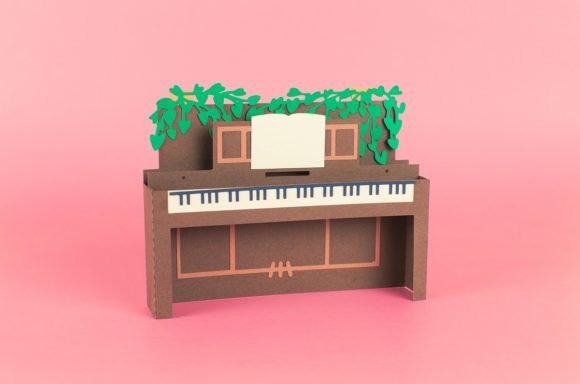
The design, created by Furrow and Feather, presents itself as a cute and easy pop-up box card. For those of us in the craft business, "easy" is a double-edged sword. It usually means fewer color changes and simpler stitch paths, which is great for production speed. However, it can also imply a lack of detail that might look cheap if not executed correctly. My job here is to determine if this machine embroidery design holds up when translated from digital code to thread and fabric, specifically for those of you running small shops or creating personalized gifts.
First Impressions and Visual Personality
The mood of the Piano Box Card is undeniably classic and charming. It does not scream for attention with neon colors or aggressive shapes; instead, it invites a closer look. The layout suggests a structured, geometric approach that mimics the folding mechanism of a physical pop-up card. This visual personality fits naturally into projects that value nostalgia and craftsmanship. It feels appropriate for a boutique setting rather than a mass-produced retail environment.
When evaluating the detail level, I noticed that the design relies heavily on clean lines and defined edges. This is crucial for embroidery because complex gradients do not translate well to thread. The shape appears balanced, with a central focus that draws the eye. For an embroidery project intended for a musician or pianist, this subtlety is a strength. It avoids the cliché of oversized musical notes and instead offers a sophisticated nod to the instrument. This makes it versatile for various demographics, from young students to seasoned professionals.
Real-World Application: From Screen to Stitch
Let’s talk about where this design actually lives in the real world. I recently considered using a similar concept for a custom tote bag design for a local music school’s fundraiser. The Piano Box Card would work exceptionally well here. Tote bags provide a large, stable canvas that allows the 3D effect to shine without the constraints of a small hoop. The structural nature of the design means it can handle the weight of heavier threads, giving the finished product a premium feel.
Beyond tote bags, imagine this on a high-quality cotton sweatshirt embroidery project. The contrast between the soft fleece and the structured stitching of the piano box creates a lovely textural interplay. It is not just a logo; it becomes a piece of wearable art. For Etsy sellers, this kind of unique positioning helps differentiate your handmade product from the sea of generic monograms. It tells a story, which is exactly what modern buyers are looking for.
I also see potential in holiday embroidery gifts. A framed piece featuring this design could serve as a thoughtful present for Mother’s Day or a birthday. The "pop-up" aspect, even if simulated through layering in embroidery, adds a dynamic element that static images lack. It encourages interaction, making the finished product more memorable.
Navigating Technical Challenges
However, we must address the technical realities. The term "3D SVG" implies complexity. In embroidery, achieving a 3D look often requires careful management of stitch density. If the digits are too dense, you risk perforating the fabric, especially on lighter materials. If they are too sparse, the underlying fabric might show through, breaking the illusion of solidity. I strongly advise testing this design on scrap fabric before committing to a final piece.
One area of concern is the use of stretchy fabric. If you plan to put this on a cap or a fitted t-shirt, the structural integrity of the "box" shape might distort when the fabric stretches. Caps, in particular, are curved surfaces that challenge even the most experienced embroiderers. The corners of the box design need to remain sharp; if the stabilizer is insufficient, those corners will round off, ruining the geometric aesthetic. Always use a cut-away stabilizer for stretchy materials to maintain shape retention.
Another critical factor is thread colors. The preview likely shows a specific palette, but your success depends on contrast. On dark fabrics, you will need bright, high-visibility threads to ensure the details of the piano keys and box structure are visible. On light fabrics, subtle tonal variations can create a sophisticated, understated look. I recommend creating black and white mockups to check the value contrast before you thread up your machine. This simple step can save you hours of unpicking.
Commercial Viability and Brand Consistency
For those running a craft business, the Piano Box Card offers a niche appeal. It is not a universal design like a heart or a star, which is both its strength and its limitation. It targets a specific audience: music lovers. This specificity can drive higher engagement from that demographic. When used in commercial embroidery, it adds perceived value. Customers are often willing to pay more for designs that appear complex and tailored to their interests.
However, brand consistency is key. If your shop focuses on rustic farmhouse decor, this design might feel out of place. But if your brand leans towards artistic, educational, or classical themes, it fits perfectly. Use it in your printable mockup previews to show customers how it looks on various items. Visualizing the embroidery file on a pillow cover or an apron helps buyers make confident purchasing decisions.
Practical Designer Notes
Before you download and start stitching, keep these practical tips in mind:
- Check the License: The description mentions it is created by Furrow and Feather. Always confirm whether the license allows for commercial use of the finished product. Some designers allow you to sell physical items but prohibit selling the digital file itself.
- Hoop Size Verification: Ensure your machine’s hoop size accommodates the design dimensions. A cramped hoop can lead to misalignment and poor stitch quality.
- Fabric Texture Matters: Test on different textures. A smooth cotton will yield crisp lines, while a textured linen might soften the details. Choose the fabric that best suits the desired aesthetic.
- Stitch Type Analysis: Look for a mix of satin stitch for borders and fill stitch for larger areas. Running stitches should be used for fine details to reduce bulk. If the design relies too heavily on one type, it may lack dimension.
- Small Details: Inspect tiny elements like the piano keys. If they are too small, they may not stitch out cleanly. Consider resizing the design if your machine struggles with fine details.
In conclusion, the Piano Box Card is a promising addition to your library of design assets. It offers a unique blend of charm and structural interest that can elevate your custom apparel and gift offerings. By paying attention to stabilizer choice, thread contrast, and fabric suitability, you can transform this digital file into a stunning tangible product. It is not just about stitching a design; it is about creating an experience for the recipient. Whether for a baby embroidery item or a sophisticated embroidered patch, this design has the potential to stand out in a crowded market. Just remember to test, adjust, and stitch with intention.